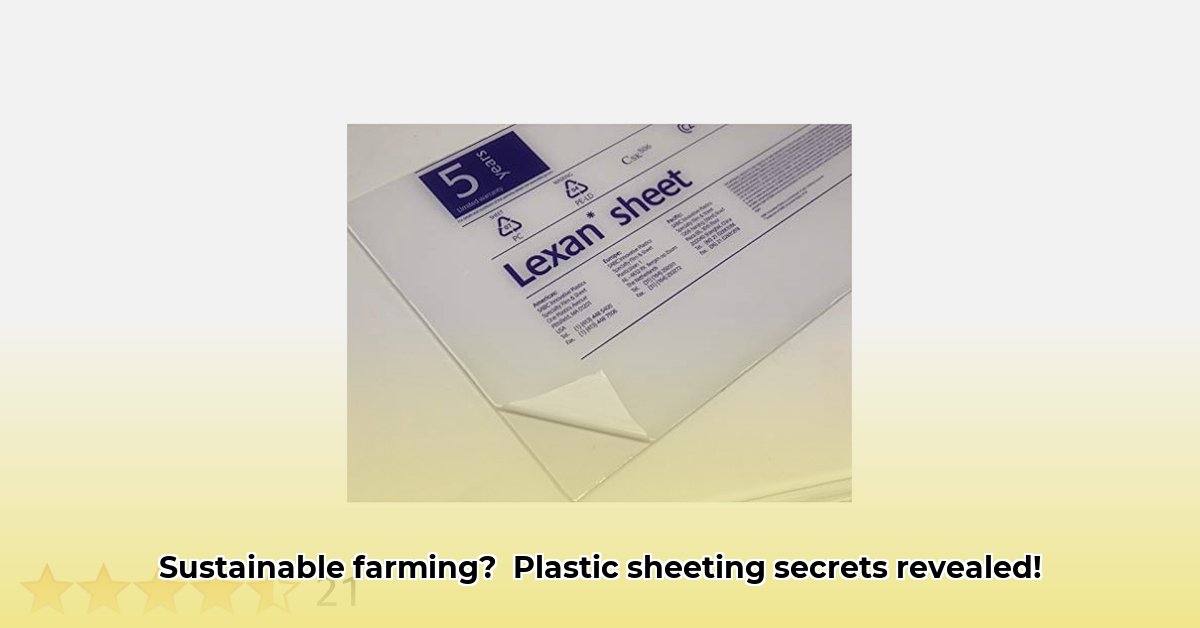
Plastic Sheeting in Farming: A Balancing Act
Imagine a farmer, striving for a bountiful harvest, faced with a crucial decision: utilize readily available plastic sheeting to boost crop yields, or opt for potentially less efficient, more labor-intensive, sustainable alternatives. This seemingly simple choice encapsulates the complex reality of balancing short-term agricultural gains with long-term environmental responsibility. Plastic sheeting, a ubiquitous tool in modern agriculture, offers undeniable benefits, but its environmental impact demands careful consideration. For more information on plastic options, check out this resource. This article explores the nuanced relationship between plastic sheeting, sustainable practices, and the path toward a greener future for farming.
The Two Sides of the Sheeting Coin
Plastic sheeting, readily accessible at retailers like Tractor Supply, offers significant advantages for farmers. It acts as a protective barrier, shielding crops from frost, weeds, and excessive moisture. By creating a controlled microclimate, it fosters optimal growing conditions, leading to higher yields and improved profitability. This is especially significant for farmers competing in a global marketplace where higher yields often dictate survival. But isn't this convenience and efficiency coming at a cost?
However, the long-term implications are deeply concerning. The sheer volume of plastic sheeting discarded after use contributes significantly to landfill waste. Furthermore, the decomposition of plastic sheeting releases microplastics—tiny particles infiltrating soil and water systems, impacting ecosystems in ways we're only beginning to understand. The manufacturing process itself generates greenhouse gas emissions, further exacerbating climate change. This presents a stark challenge: how can farmers leverage the benefits of plastic sheeting without compromising environmental sustainability? Isn't there a sustainable middle ground?
Knowledge Gaps: Unanswered Questions
A critical limitation in addressing the environmental impact of plastic sheeting lies in the lack of comprehensive data. While the general problems of plastic pollution are clear, we need granular information on the specific environmental impact of various plastic sheeting types available at Tractor Supply and other retailers. How do different manufacturing processes, material compositions, and disposal methods affect the overall environmental footprint? This lack of precise data hinders the development of effective solutions and informed decision-making. More research is urgently needed to fully understand the lifecycle and environmental implications of these materials.
Charting a Course Toward Sustainability
Sustainable agriculture isn't about abandoning modern tools; it's about making informed choices. This requires a multifaceted approach focused on actionable steps:
Explore Sustainable Alternatives: Before relying on plastic sheeting, consider alternatives like mulching with organic materials (wood chips, straw), utilizing cover crops, or improving soil health to enhance natural weed suppression and water retention. While these methods may initially require more labor and investment, the long-term environmental and economic benefits can be substantial.
Strategic Plastic Sheeting Use: If plastic sheeting remains necessary, prioritize biodegradable or compostable options. Scrutinize certifications and independent verification of these claims. This requires careful research and may involve higher upfront costs, but the reduced environmental impact justifies the investment.
Promote Recycling and Innovation: Collaborate with communities to establish efficient collection and recycling programs for used plastic sheeting. Support innovative solutions transforming agricultural plastic waste into new products, driving a circular economy.
Advocate for Change: Support policies that incentivize sustainable alternatives and discourage environmentally damaging plastics. Engage in environmental advocacy, supporting organizations working to promote responsible agricultural practices.
A Collective Responsibility: From Field to Table
The shift towards sustainable agriculture requires a collective effort:
Retailers (like Tractor Supply): Expand the availability of eco-friendly sheeting and provide clear environmental impact information for each product. Invest in return and recycling programs.
Government Agencies: Fund research into biodegradable alternatives and provide financial incentives for farmers adopting sustainable practices. Implement effective regulations for plastic waste management.
Consumers: Support farms and businesses committed to sustainability. Demand transparency from food producers and actively reduce overall plastic consumption.
Key Takeaways:
- Conventional plastic sheeting provides short-term gains but poses significant long-term environmental risks.
- Biodegradable alternatives present a viable path, yet their cost-effectiveness and widespread adoption require further research and development.
- A holistic approach, encompassing sustainable farming practices, efficient waste management, and supportive policies, is crucial for a greener agricultural future.
This journey to sustainable agriculture is not a sprint, but a marathon requiring collaboration, innovation, and a shared commitment to environmental stewardship. By embracing these principles, we can ensure a future where food production thrives in harmony with a healthy planet.